Thursday, July 31, 2014

TRELLISES

The long grid-like structure you see against many Amana buildings is the trellis,  that in old Amana served to support grapes that grew there for winemaking and for jams. They stood to just above the windows of the first floor, were made of wood, some left to weather naturally, some painted white. This simple wood lattice work was nailed to the houses and also protected the mortar and stone houses from the vines. It also provided insulation and decoration to the house. The design of the trellis is an idea artist Prestele had, for he needed supports for his many plantings that inspired and were subjects for his many, beautiful litho prints of nature.


Wednesday, July 30, 2014

TWIN BEDS

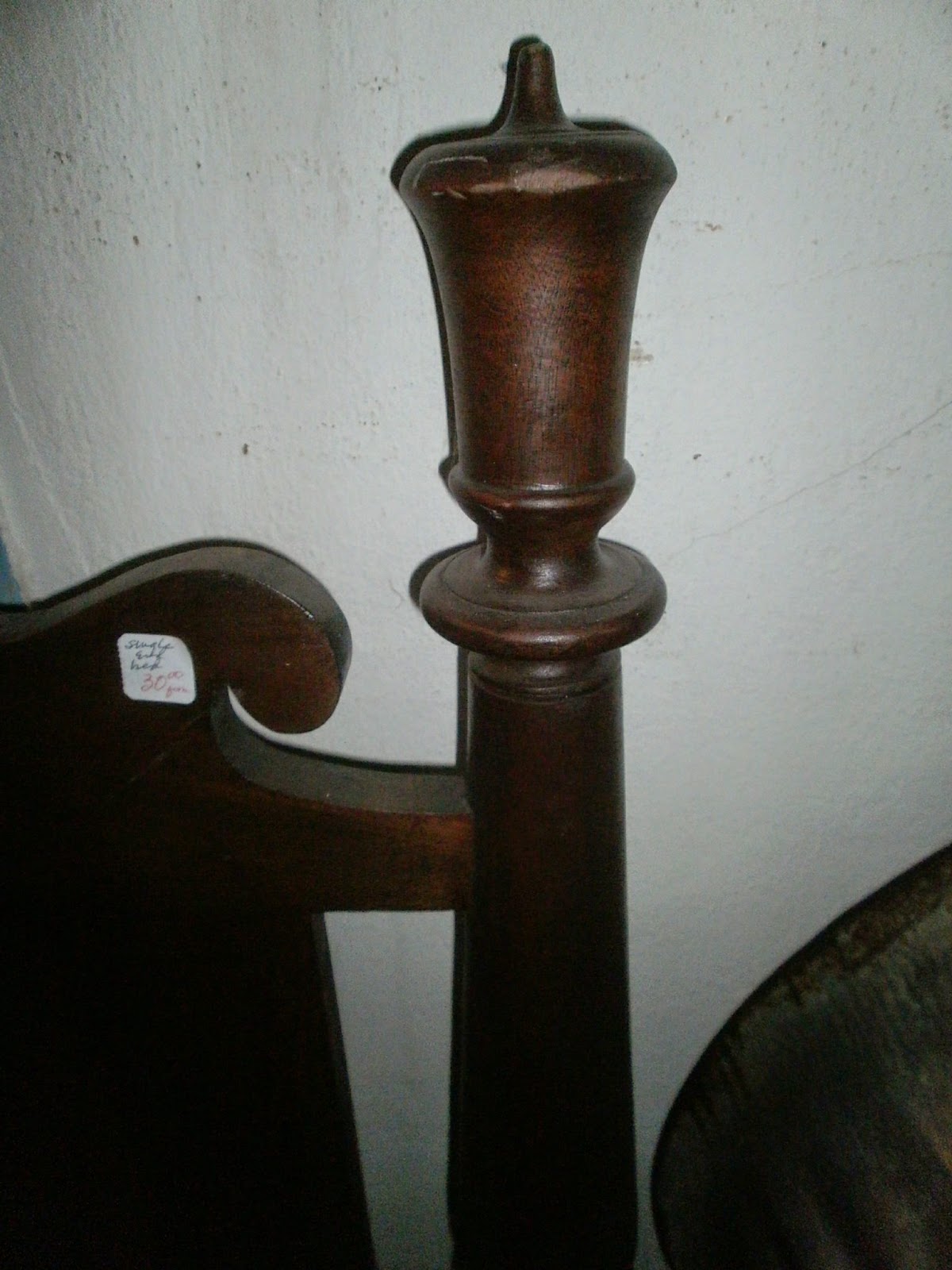
The local cabinetmakers made beautiful furniture for the homes in Amana.  The furniture of the bedroom usually had twin size beds, made of a variety of designs.  The headboards and the foot boards were usually the same height and of solid wood paneling in walnut, cherry or fruit wood. One exception to this was the "Ebenezer"bed in which there was a small negative space on both the headboard and foot board next to the corner posts. We put the two side by side to make a king headboard for today's beds. The beds were shorter than those on the for sale today. Mattresses of horsehair made by the harness men were supported by ropes which were knotted in a square pattern and attached to the frame's pegs. The beds were place parallel to the sides of the room with a nightstand on the male's side.


Mattresses of Ticking

Ticking fabric, used to cover Amana twin bed mattresses, is a cotton or linen fabric that is tightly woven for durability.  It was commonly a striped fabric design in brown's, blues, reds, greens, against a plain, textured background. It has also been used for backing rugs and other bedding. Made by the harness men, the mattresses were heavy and solid. The tight, twill weave prevents down feathers from poking through the fabric. This fabric was woven by the Budingen, Germany ancestors of the Amana members as well. They were tufted in several places to hold horse or pig hair in place. The 3 matching mattresses were laid on slats the width of the bed side-by-side,  for easier handling. Other bedding such as black and white cotton calico was used to finish the bed...all very nice.




Crewelwork

Needlework embroidery, crewelwork, was a type of free style embroidery, using a variety of different long and short stitches, using 1-2 ply fine wool, cotton, or silk and a sewing needle. Sometimes patterns copied from German books, were printed on the linen fabric, and followed. It is not a counted thread craft like needlepoint. It started in the 17th century and passed on. Girls at the age of 7-8 would learn this technique. In Amana it was usually done in florals to decorate key holders, pillows, pictures, and runners.


Sewing Box

The Amana woodworker would make a special piece every so often that showed his great interest in wood and his talent. He would create pieces of unusual design and combinations of woods, carving and inlay. One such piece was a sewing item, a sewing box,  with a needlepoint cushion for needles on top and a utensil drawer on the side. It has a wooden screw on the bottom that fitted the sewing box to a side of a table. It was  about 4x6 in size. This was a useful and beautiful tool to the sewing one.


NEEDLEPOINT

Basic needlepoint and cross-stitch were found in many Amana homes. Found on key hooks, sewing birds, pillow covers, chair seats, and more. This would allow the artist a use of more colorful yarns. Often the young girls would learn this technique before the age of 10 when her first cross stitch or needlepoint sampler was made. Coarse linen and worsted yarns were used to learn the ABC's and also do some picture painting, making yarn flowers. Many designs were geometric borders and florals inspired by the many gardens in the Amana Colonies. This craft was a legacy that kept idle hands busy. Since everything in the Old Amana Colonies served a purpose or pertained to their religion, needlepoint was functional and a very beautiful addition to the home.


Sunday, July 27, 2014

CROCHETING

Crocheting was done for many generations in the Amana Colonies in the form of toys and functional items. Wool and Cotton yarns were used to make animals and figures. with their accessories such as rabbits with eggs, Santa's with bags of toys or hens with nests and many more. Handmade steel crochet hooks of many sizes were used for tiny stitches. Some hooks were made of wood or bone. Each was very unique and from one to six inches in size, a fun piece to collect ,decorate or play with.